Your Essential Guide to Buying Sports Bottles for 2026
As we approach the year 2026, the market for sports bottles continues to evolve, offering a multitude of options for athletes, fitness enthusiasts and casual users alike. Whether you are looking for a bottle to keep you hydrated during intense workouts or simply need something to carry on casual outings, knowing what to look for is essential. This guide will help you navigate through the various types of sports bottles available, the materials they are made from and the features that can enhance your hydration experience.
Types of Sports Bottles
Sports bottles come in various shapes and sizes, catering to different activities and preferences. The most common types include squeeze bottles, insulated bottles and hydration packs. Squeeze bottles are typically lightweight and designed for quick access to fluids, making them ideal for running or cycling. Insulated bottles, on the other hand, are perfect for maintaining the temperature of your drinks, whether hot or cold, for extended periods. Hydration packs, which are worn on the back, are excellent for long-distance hiking or biking, as they allow for hands-free drinking.
Materials Matter
The material of a sports bottle significantly affects its durability, weight and safety. Common materials include plastic, stainless steel and glass. Plastic bottles are lightweight and often less expensive, but they may not be as durable as their metal counterparts. Stainless steel bottles are robust, resistant to corrosion and can keep liquids cold or hot for hours. Glass bottles, while stylish and chemical-free, can be heavier and more prone to breakage. When selecting a bottle, consider the activities you will be using it for and choose a material that suits your lifestyle.
People Also Look For:
- BuildLife 2 Pack Sports Water Bottle, 710ML Squeeze Water Bottle, Biking Water Bottles, BPA Free & Leakproof Cycling Bottles for H...
- Super Sparrow Sports Water Bottle - 1000ml - Non-Toxic BPA Free & Eco-Friendly Tritan Co-Polyester Plastic - For Running, Gym, Yog...
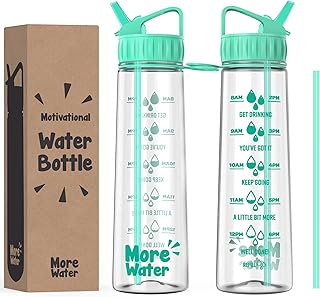
- MANGO Sport Water Bottle With Straw - 900ml Motivational Water Bottle with Time Markings - Clear Water Bottle BPA Free Sports Bott...
- adidas Unisex Performance Bottle 750 ML, team power red 2/black/black, One Size
- WATERSY Stainless Steel Insulated Water Bottle, Double Walled Metal Vacuum Flask Keep 24 Hrs Cold & 12 Hrs Hot Thermal Metal Sport...
Capacity and Size
When it comes to capacity, sports bottles typically range from 500 millilitres to over a litre. The size you choose should depend on your hydration needs and the duration of your activities. For short workouts or runs, a smaller bottle may suffice, while longer sessions will require a larger capacity to ensure you stay hydrated. Additionally, consider the size of the bottle in relation to how you will carry it. Some bottles come with built-in handles or are designed to fit in standard cup holders, which can be a crucial factor for convenience.
Design and Features
The design of a sports bottle can greatly influence its usability. Look for features such as a wide mouth for easy filling and cleaning, a leak-proof lid to prevent spills and a comfortable grip for easy handling. Some bottles also come with built-in straws or spouts, allowing for quick sips without the need to tilt the bottle. Additionally, many brands offer customisation options, enabling you to choose colours and designs that reflect your personal style.
Eco-Friendly Options
As environmental concerns become increasingly important, many brands are now offering eco-friendly sports bottles. These bottles are typically made from recycled materials or designed to be reusable for extended periods, reducing the need for single-use plastics. When purchasing a bottle, look for certifications that indicate sustainability, such as BPA-free labels or those made from plant-based materials.
Price Considerations
The price range for sports bottles can vary significantly based on the brand, material and features. While budget options are available, investing in a higher-quality bottle can offer better durability and functionality. It is advisable to set a budget beforehand, keeping in mind the activities you will engage in and how often you will use the bottle. Remember, a well-chosen sports bottle can serve you well for years to come.